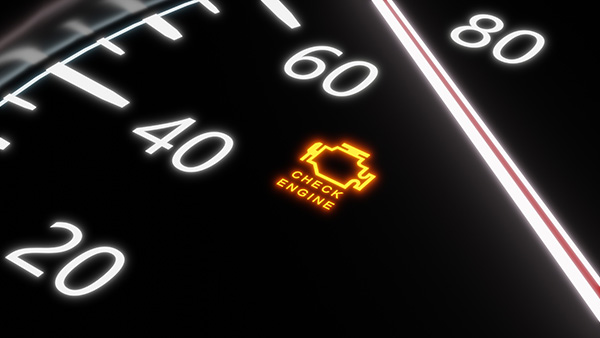
A check engine light can be irritating because the car may feel totally normal. You keep driving, the light stays on, and after a while, it starts blending into the background. That’s the trap. The light is usually your early warning that something is drifting out of spec, even if it hasn’t yet become a clear symptom.
Waiting doesn’t always create a crisis, but it often raises the price of the fix.
Why The Light Comes On In The First Place
The check engine light turns on when the computer sees a fault it can’t ignore anymore. Sometimes it’s emissions-related, like an EVAP leak. Other times it’s performance-related, like a misfire or a sensor reading that keeps trending the wrong way.
A steady light usually means the car is still running within a safe enough range to keep going for a bit. The code stored behind that light is what matters, because it points to the system that set the warning.
If the light shows up and then disappears, that still counts. Intermittent faults are common, and they can be harder to catch later if you wait until the issue becomes constant.
What You Risk When You Keep Driving For Weeks
The biggest risk is that a small problem becomes a bigger one while you’re still using the car every day. A minor air leak can cause the engine to run lean and hotter than it should. A weak ignition part can start as a mild stumble and slowly turn into a consistent misfire.
Fuel economy often takes a hit too. You might not notice the change until you’re filling up more often, then you realize you’ve been paying for the problem the whole time.
Also, the longer you drive with the light on, the harder it is to notice new issues. When a warning light becomes normal, you lose a useful early alert.
How Small Issues Turn Into Expensive Ones
Misfires are the classic example. If a cylinder isn’t burning fuel cleanly, excess fuel can reach the catalytic converter, causing it to overheat. What could have been plugs or a coil can turn into a much bigger emissions repair.
Cooling and mixture problems can stack up quietly as well. A sensor that’s reading wrong can push the engine to compensate constantly, and that compensation can create extra wear over time. This is where regular maintenance helps: small wear items and early leaks are caught before they start a chain reaction.
Even simple things like a loose intake hose or cracked vacuum line can snowball if they’re ignored long enough.
Why Ignoring It Can Make Emissions Repairs Harder
A lot of check engine lights start as emissions faults, not dramatic drivability problems. EVAP issues, oxygen sensor aging, and small air leaks are common, and the car might still feel fine. The problem is that the system can’t do its job properly, so it’s constantly adjusting to stay within limits.
If you wait, you may end up with multiple codes instead of one. Then it feels like the car suddenly has a list of problems, when really it was one issue that dragged other systems out of range.
Another downside is timing. If you’re close to an emissions test deadline, delaying repairs increases the chance you’ll be rushed later.
When It Is Safe To Drive And When It Is Not
A steady check engine light with no changes in how the car drives usually gives you a little breathing room. You can often drive gently while you plan service, especially if temperatures are stable and there are no new noises or smells.
A flashing check engine light is different. Flashing typically means an active misfire, and continuing to drive hard is when damage can pile up fast. If the car is shaking, losing power, or running rough, it’s smarter to stop and avoid turning a small repair into a big one.
Trust your senses. If it suddenly feels worse, treat it as urgent.
What To Do Before You Clear Codes
Clearing the light can erase useful clues. It wipes out freeze-frame data that shows what the engine was doing when the fault set, and it can make the issue harder to pinpoint if it comes and goes.
If you want a simple plan, focus on these steps:
- Note whether the light is steady or flashing
- Pay attention to any change in idle, power, or shifting feel
- Notice if it happened right after fueling or during heavy rain
- Avoid hard acceleration until you know what triggered it
- Schedule an inspection so the fix is based on the stored data, not a guess
That approach usually saves time and keeps the repair more direct.
Get Check Engine Light Service In Arlington, VA, With J & F Motors Ltd
J & F Motors Ltd in Arlington, VA, can pull the stored codes, verify the cause, and help you understand what needs attention now versus what can be planned.
Schedule a visit and get a clear answer before the light turns into a bigger repair.