Posted on 8/28/2026

A clutch can begin slipping long before it fails completely. One of the earliest signs is often a problem that appears only during hard acceleration, especially in a higher gear or while climbing a hill. During light driving, the clutch may still feel normal because the engine is not asking it to transfer as much torque. As the clutch wears, the amount of power it can hold drops gradually. That is why the first symptoms often show up when engine load is highest. The engine speed rises, but the vehicle does not accelerate at the same rate. Once the clutch cools or the driver backs off the throttle, it may seem normal again. What Clutch Slip Actually Means The clutch sits between the engine and transmission. When the pedal is released, the clutch disc is squeezed tightly between the flywheel and pressure plate. Friction between those surfaces allows engine torque to pass into the transmission. When the clutch slips, the disc is no longer being held firmly enough. Ins ... read more
Posted on 7/31/2026
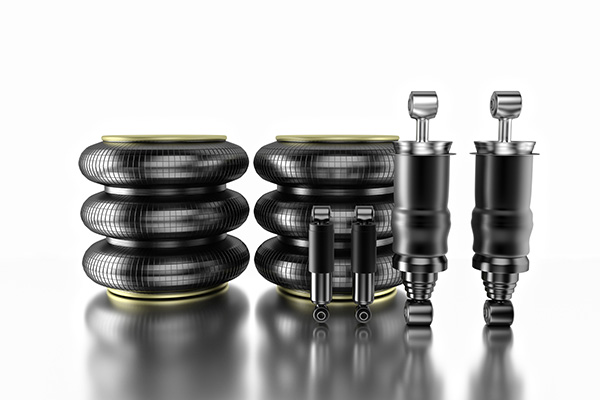
A Mercedes-Benz with air suspension can look perfectly level when you park it, then sit noticeably lower by morning. Sometimes one corner drops. Other times the entire front or rear sinks. The vehicle may rise again after startup, which makes the problem easy to postpone. An overnight drop usually means the system is losing air or failing to hold pressure while the vehicle is off. The cause may be an air spring, line, fitting, valve block, compressor check valve, or another control component. The longer the issue continues, the harder the compressor must work to restore ride height each time you drive. An Air Spring May Be Leaking Air springs replace conventional coil springs on many Mercedes-Benz suspension systems. Each spring uses pressurized air to support the vehicle and adjust ride height. The rubber material flexes constantly as the suspension moves, and age can eventually create cracks around folds, seams, or mounting areas. A small leak may only appear whe ... read more
Posted on 6/26/2026
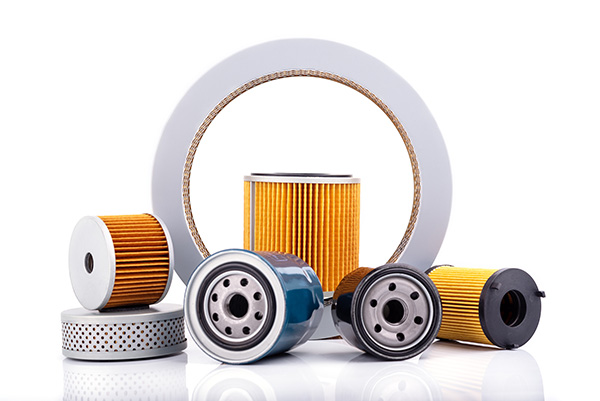
Car filters do quiet work, which is probably why many drivers forget about them. They are not as obvious as tires, brakes, or warning lights. Still, these filters help protect the engine, improve airflow, keep contaminants out of fluids, and make the cabin more comfortable. A clogged or neglected filter can affect multiple parts of the vehicle. The engine may work harder, the vents may blow weakly, or fluid may become dirty faster than it should. Before your next maintenance visit, it helps to know which filters your vehicle uses and why they deserve attention. 1. Engine Air Filter And Engine Performance The engine air filter helps keep dirt, dust, leaves, and small debris from entering the engine. Your engine needs clean air to mix with fuel and create proper combustion. When the filter is clean, airflow stays more consistent, and the engine can breathe the way it was designed to. A dirty engine air filter can affect acceleration, fuel economy, and overall respons ... read more
Posted on 5/29/2026

A flat tire always seems to happen at the wrong time. You are already late, the shoulder is narrow, traffic is loud, and the car is close enough to home that driving it slowly feels tempting. That is where the expensive mistake starts. A tow or roadside assistance service may feel inconvenient in the moment, but driving on a flat tire can damage parts far beyond the tire itself. Once the tire loses air, the wheel, suspension, brakes, and steering are suddenly taking abuse they were never meant to handle. 1. The Tire Can Be Destroyed Beyond Repair A punctured tire is not always a lost cause. If the damage is in the tread area and the sidewall is intact, a proper repair may be possible. That changes fast once you drive on it flat. Without air pressure, the tire’s sidewall gets pinched between the wheel and the road. The internal structure can break down over a short distance, even if the outside does not look terrible at first. By the time you arrive, a repair ... read more
Posted on 4/30/2026
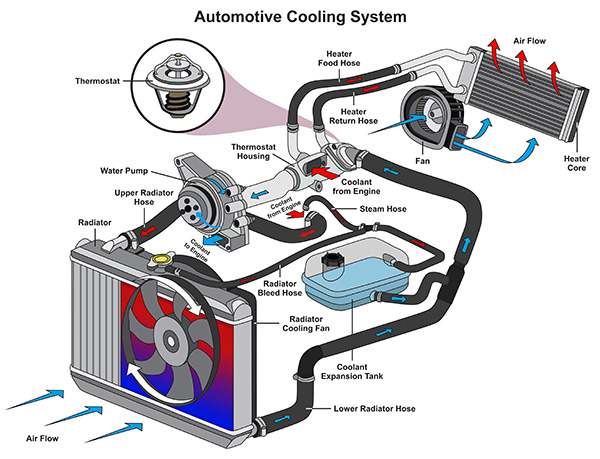
When a car’s air conditioning is not blowing as cold as it used to, most drivers assume the system is probably low on refrigerant. Sometimes that is true, but it is far from the only reason. One issue we see more often than people expect is a dirty condenser. It may not be the first part drivers think about, but it has a big job, and when it gets clogged with dirt, bugs, leaves, and road grime, your A/C performance can take a real hit. At our shop, this tends to come up when the weather heats up, and people start relying on their A/C again. A vehicle that seemed fine in mild weather suddenly cannot keep up on a hot afternoon, especially in traffic or while idling. That kind of drop in cooling power can be frustrating, and in some cases, the condenser is a major part of the story. The good news is that once you understand what the condenser does, it becomes easier to see why keeping it clean matters. What The Condenser Actually Is The condenser is a key part o ... read more