A Mercedes-Benz with air suspension can look perfectly level when you park it, then sit noticeably lower by morning. Sometimes one corner drops. Other times the entire front or rear sinks. The vehicle may rise again after startup, which makes the problem easy to postpone.
An overnight drop usually means the system is losing air or failing to hold pressure while the vehicle is off. The cause may be an air spring, line, fitting, valve block, compressor check valve, or another control component. The longer the issue continues, the harder the compressor must work to restore ride height each time you drive.
An Air Spring May Be Leaking
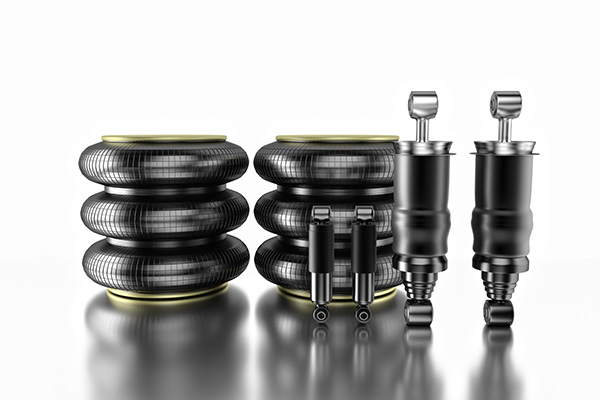
Air springs replace conventional coil springs on many Mercedes-Benz suspension systems. Each spring uses pressurized air to support the vehicle and adjust ride height. The rubber material flexes constantly as the suspension moves, and age can eventually create cracks around folds, seams, or mounting areas.
A small leak may only appear when the vehicle sits in a certain position. The car could remain level during the day, then slowly drop after several hours. Temperature changes can make the leak more noticeable because rubber contracts when it gets colder. If one corner consistently sits lower than the others, that air spring is one of the first places to inspect.
Air Lines And Fittings Can Lose Pressure
The compressor sends air through plastic lines and fittings to each air spring. A cracked line, damaged connector, loose fitting, or worn seal can allow pressure to escape. These leaks may be too small to hear, especially with the engine off and the vehicle parked outside.
Air-line leaks can also be intermittent. Suspension movement may open a crack while closing it again in a different position. A careful inspection may involve checking the lines for rubbing, bends, heat damage, or previous repairs. A leak-detection solution can also reveal bubbles around fittings and connections that look dry during a visual check.
The Valve Block May Not Be Sealing Properly
The valve block directs air to different corners of the vehicle. It opens and closes small internal passages so the system can raise, lower, and level the suspension. When internal seals wear, or debris prevents a valve from closing completely, air can move where it should not.
A faulty valve block can cause one axle to drop, several corners to sit unevenly, or air to bleed back through the system. The symptoms may resemble those of a leaking air spring, so replacing a spring based solely on ride height can lead to the wrong repair. Testing how quickly each corner loses pressure helps separate a spring leak from a control problem.
A Weak Compressor Can Make The Problem More Noticeable
The compressor does not usually cause the vehicle to sink by itself unless air is leaking back through a failed internal valve. More commonly, a worn compressor becomes a second problem after the system has leaked for a while. Each morning, it has to run longer to raise the vehicle again.
You may hear the compressor running frequently, taking a long time to level the car, or sounding louder than before. A warning may appear if the system cannot reach the requested height. Replacing only the compressor without repairing the leak can damage the new unit because it will face the same excessive workload.
Ride Height Sensors And Control Faults Can Affect Leveling
Ride height sensors tell the suspension control module how high or low each corner is sitting. If a sensor arm bends, a connector corrodes, or the sensor sends an inaccurate reading, the system may adjust the vehicle incorrectly. The car may sit unevenly even though the air springs can still hold pressure.
Control-module faults, damaged wiring, and calibration problems can also affect operation. These issues are less likely to cause a simple overnight leak than a cracked air spring or loose fitting, but they can create similar symptoms. Scan data can show the height readings the control module is receiving and whether the system is commanding adjustments that match the vehicle’s actual position.
Why The Vehicle May Rise Again After Startup
When the engine starts, the suspension system wakes up and checks ride height. If the vehicle has dropped, the compressor may run and refill the leaking section. The car rises, appears normal, and may drive without an obvious problem for the rest of the day.
That temporary recovery does not mean the system has repaired itself. Repeatedly refilling the same leak builds heat inside the compressor and increases wear on relays, valves, seals, and air lines. Eventually, the system may stop raising the vehicle, leaving one corner low or the entire car close to the ground.
How The Leak Is Traced
The first step is confirming which part of the vehicle drops and how quickly it happens. A technician may measure ride height, scan the suspension module, check stored faults, listen for compressor operation, and inspect the air springs, lines, fittings, and valve block. The system may also be tested in different suspension positions, as some leaks only open when the rubber folds in a certain way.
The goal is to identify the original failure before replacing parts. A leaking spring, a weak compressor, and a damaged relay can all coexist after the issue has been ignored. A complete inspection helps show which parts failed first and which ones have been affected by the extra workload.
Do Not Keep Driving On A Dropped Suspension
Driving with one corner low changes alignment, tire contact, steering response, and suspension travel. The tire may rub, the vehicle may pull, and nearby components can be loaded at angles they were not designed to handle. A vehicle that has dropped significantly may also damage the air spring if it is driven while folded or compressed incorrectly.
Regular maintenance and early inspection can prevent a small leak from turning into a full system failure. If the Mercedes-Benz rises slowly, sits unevenly, or drops again every night, the air suspension should be checked before the compressor wears out or the vehicle becomes unsafe to drive.
Get Mercedes-Benz Air Suspension Repair In Arlington, VA, With J & F Motors Ltd
If your Mercedes-Benz drops overnight, sits low on one corner, or takes too long to rise after startup, J & F Motors Ltd in Arlington, VA, can inspect the air springs, compressor, valve block, air lines, sensors, and suspension controls.
Contact us to schedule an appointment before a small air leak leads to a larger suspension repair.